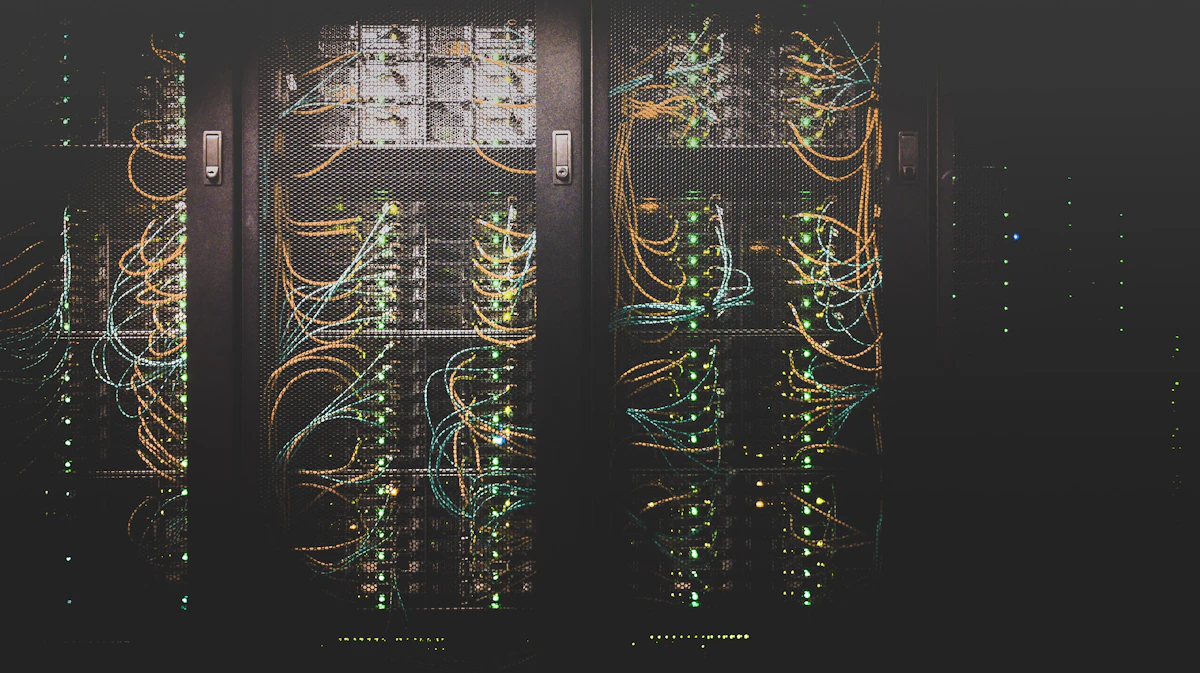
Image source: Unsplash
In an increasingly connected world where milliseconds matter, edge computing is revolutionizing how we process data. By moving computation closer to data sources, we're overcoming the limitations of traditional cloud architectures and enabling a new generation of real-time applications.
Executive Summary
Edge computing is not replacing cloud computing but complementing it. This distributed computing paradigm processes data near its source, reducing latency, bandwidth costs, and enhancing privacy. From autonomous vehicles to smart factories, edge computing is becoming the backbone of modern IoT infrastructure.
What is Edge Computing?
Edge computing refers to a distributed computing framework that brings enterprise applications closer to data sources such as IoT devices or local edge servers. This proximity to data at its source can deliver strong business benefits, including faster insights, improved response times, and better bandwidth availability.
Traditional vs Edge Architecture
- Cloud-Centric: All data sent to centralized cloud for processing
- Latency: 100-500ms round trip
- Bandwidth: High consumption, expensive for video/audio
- Edge-Enhanced: Local processing with selective cloud sync
- Latency: 5-20ms for critical operations
- Bandwidth: 40-60% reduction through local filtering
Performance Comparison
Key Drivers of Edge Computing Adoption
1. Internet of Things (IoT) Expansion
With over 75 billion IoT devices projected by 2025, centralized cloud processing becomes impractical. Edge computing enables:
Data Points/Second
Generated by smart city sensorsRedundancy
Local processing ensures continuityDecision Time
Critical for industrial automation2.Real-Time Processing Requirements
Applications requiring instant response can't afford cloud round-trip delays:
| Application | Max Acceptable Latency | Edge Solution | Cloud-Only Feasibility |
|---|---|---|---|
| Autonomous Vehicles | 10-20ms | Onboard edge processing | Not Feasible |
| AR/VR Surgery | 7-15ms | Local edge server | Not Feasible |
| Industrial Robotics | 5-10ms | Factory edge nodes | Not Feasible |
| Smart Grid Control | 20-50ms | Regional edge centers | Marginal |
3. Bandwidth and Cost Optimization
By processing data locally, edge computing dramatically reduces bandwidth requirements:
"A single autonomous vehicle generates approximately 4TB of data per day. Sending all this to the cloud would be economically and technically impractical. Edge computing allows us to process 95% of this data locally, sending only critical insights to the cloud."
Edge Computing Architecture Models
Device Edge
Processing Location: On the IoT device itself
Use Cases:
- Smart cameras with object detection
- Wearable health monitors
- Industrial sensors with anomaly detection
Local Edge
Processing Location: On-premise servers or gateways
Use Cases:
- Factory automation systems
- Retail store analytics
- Branch office processing
Regional Edge
Processing Location: Telecom edge data centers
Use Cases:
- 5G network applications
- Smart city infrastructure
- Content delivery networks
Real-World Applications
Healthcare: Remote Patient Monitoring
Edge devices process patient vital signs locally, sending only abnormal readings to cloud-based medical records:
Impact
- Reduced false alarms by 40% through local pattern recognition
- Enabled continuous monitoring without constant internet connectivity
- Protected sensitive health data through local processing
Manufacturing: Predictive Maintenance
Factory edge nodes analyze equipment sensor data to predict failures before they occur:
- Vibration Analysis: Edge AI detects abnormal patterns in real-time
- Temperature Monitoring: Local processing of thermal imaging data
- Quality Control: On-site visual inspection with immediate feedback
Results Achieved
Retail: Personalized Shopping Experience
In-store edge servers process customer behavior data to provide real-time personalized offers:
- Facial recognition (opt-in) for personalized greetings
- Real-time inventory tracking and restocking alerts
- Heat mapping for store layout optimization
Challenges and Considerations
Technical Challenges
- Device Management: Updating thousands of distributed devices
- Security: Increased attack surface with multiple endpoints
- Standardization: Lack of universal protocols and interfaces
- Resource Constraints: Limited processing power on edge devices
Strategic Considerations
- Hybrid Architecture: Balancing edge and cloud resources
- Data Governance: Managing data across distributed locations
- Skills Gap: Need for edge computing specialists
- ROI Calculation: Measuring benefits beyond cost savings
The Future of Edge Computing
As we look toward 2027 and beyond, several trends are emerging:
Convergence with 5G and AI
The combination of 5G networks, edge computing, and artificial intelligence will create powerful synergies. 5G provides the high-speed, low-latency connectivity, edge computing offers the local processing capability, and AI delivers intelligent decision-making at the source.
Edge-Native Applications
We're moving from cloud-native to edge-native application development. These applications are designed from the ground up to leverage distributed edge resources, with intelligent workload placement based on latency requirements, data sensitivity, and processing needs.
Sustainability Benefits
Edge computing contributes to sustainability goals by:
- Reducing data transmission energy consumption
- Enabling smart energy grids with local optimization
- Supporting circular economy through predictive maintenance
Implementation Roadmap
- Assessment Phase (1-2 months): Identify latency-sensitive processes and data-heavy operations
- Pilot Program (3-4 months): Implement edge solution for one high-impact use case
- Scale Phase (6-12 months): Expand to additional applications based on pilot results
- Optimization Phase (Ongoing): Continuously refine edge-cloud balance and architecture
Conclusion
Edge computing represents a fundamental shift in how we approach data processing and application architecture. While challenges remain in standardization, security, and management, the benefits for latency-sensitive, data-intensive, and privacy-conscious applications are undeniable. Organizations that strategically implement edge computing will gain competitive advantages through improved responsiveness, reduced costs, and enhanced customer experiences.
As Thato Monyamane, I recommend starting with a clear understanding of your specific use cases and requirements. Edge computing isn't a one-size-fits-all solution, but when applied strategically, it can transform how your organization leverages data and delivers services in our increasingly connected world.